The Need for Body-Image Focused Classrooms
Growing up, I was acutely aware that I didn’t look like everyone else in my class. I was the tall, awkward, chubby girl who always came in last place in school races. I was the child placed “middle, back row” of every class picture, with shorter students lined up on either side of me. I knew I was taller and weighed more than everyone else in the class – and they knew it too.
While there were some snickers and rude comments made, I didn’t really feel that “different” from my classmates – until Grade 3 when, during a measurement unit, my well-meaning (I assume) teacher measured and charted everyone on the wall for height and weighed each of us on a scale. We then created a graph to show the heights and weights of everyone in our class. Now, prominently displayed for all to see, was proof that Heather was the tallest in class and weighed the most. This is when I remember making the decision that I needed to “go on a diet,” and my journey and cycles of disordered eating really began. It was also when I made a quiet promise to myself: that when I was a teacher, I would never do that to students in my classroom.
As an educator for over 30 years, I have come to deeply value the diversity and inclusivity we strive to cultivate in Ontario classrooms. Every day, we work to support students from a wide range of religions, cultures, socioeconomic backgrounds, learning abilities and identities. We aim to affirm each child’s individuality while fostering safe, caring learning communities that attend to students’ intellectual, physical, social and emotional needs.
While this work is already complex and demanding, one essential area deserves more intentional focus: supporting the development of positive body image. Helping children understand, respect and appreciate their bodies is not an “extra,” but a foundational component of supporting students’ confidence, resilience and long-term well-being.
Body image development affects all students. It transcends culture, religion, wealth and ability. From an early age, children develop beliefs and feelings about their bodies, and whether these perceptions are positive or negative has a significant impact on self-esteem, mental health and social participation. Parents, teachers, peers and media all play influential roles in shaping body image.
Educators, in particular, act as powerful primary and secondary influencers. In the early years, our words, actions, classroom materials and casual comments strongly impact how children perceive themselves. As students grow older and peer relationships and social media gain influence, educators remain critical gatekeepers – both through the messages we model and through what we allow, tolerate, or challenge in classrooms and school hallways.
By being intentional, we can ensure that the messages students receive and share with one another support positive self-concepts rather than reinforce harm. Creating classroom environments that actively promote positive body image and challenge body-based harassment and bullying is an essential responsibility of today’s educators.
What is Body Image?
The National Eating Disorder Information Centre (NEDIC) indicates that body image refers to how a person thinks and feels about their body and appearance, including how they believe others perceive them. A healthy body image develops over time. It begins in infancy and continues to evolve throughout childhood and adolescence, shaped by what children see, hear, experience and internalise from the people and environments around them.
In 2025, the Canadian Institutes of Health Research reported that eating disorders affect 1.4 million youth in Canada. Despite the serious health risks involved, only 25 per cent of young people with an eating disorder receive appropriate treatment. Rates of disordered eating, excessive exercising, body-altering behaviours and body shaming dramatically increased during and after the pandemic. The increased access to online tools and social media has greatly influenced many of these behaviours. Eating disorders and other weight-control behaviours continue to be among the most common chronic illnesses affecting adolescent girls and women.
In early childhood and the Primary grades, children often demonstrate pride in their bodies and delight in what their bodies can do. They may eagerly “show off” physical skills and accomplishments. However, research has shown that girls as young as four and five years of age begin to develop negative attitudes toward eating and foods – including the need for “dieting” to help with being thin. At this stage, parents and educators are the most influential factors in body image development. Adult language, attitudes and behaviours play a critical role in shaping how children perceive their bodies and their sense of belonging in the world.
As children enter Junior grades, social comparison becomes more prominent. Students begin to measure themselves against peers and may evaluate their worth based on perceived similarities or differences. Media influences also become more prominent, particularly through exposure to images and messaging from videos, online platforms and public figures such as celebrities and influencers. An article entitled The Dangers of Dieting in Adolescence published by the Canadian Paediatric Society in 2026 reports that at least one-third of girls aged 10 to 14 in Canada report dieting or engaging in extreme weight control behaviours at any given time, and by Grade 8, more than half of adolescents have attempted to lose weight – despite most being within a healthy weight range.
By the Intermediate grades, body image is shaped by multiple overlapping factors. Puberty begins at different times and progresses at different rates, leading to rapid physical changes that can feel exciting for some students and confusing or uncomfortable for others. During this developmental stage, peers and social media often become the dominant influences on body image, increasing students’ vulnerability to narrow appearance ideals and pressures to conform. The Canadian Journal of Public Health reported in 2018 that 58 per cent of grade 9 and 10 girls report trying to actively lose weight, including 50 per cent of those who would be considered “normal” weight and almost 90 per cent of those classified as “obese” based on BMI values.
Research highlights the urgency of this issue. Body-based teasing can have a serious impact on girls’ attitudes and behaviours. According to research shared by NEDIC and BC Health, girls who reported teasing by family members, other adults and peers were 1.5 times more likely to engage in binge-eating and extreme weight control behaviours five years later.
Our classrooms are full of students with complex social identities comprised of race, culture, gender, sexuality, ability and more. Each part of a student’s identity brings unique strengths as well as pressures, shaping how they view themselves and feel seen by others. Recognizing these intersections helps us understand that body image isn’t one-dimensional; it’s woven from the many parts of who our students are and the world around them.
Why Classrooms Matter
Classrooms are uniquely positioned to support the development of positive body image. Creating environments that value diversity in appearance and emphasize worth beyond physical appearance can serve as a protective factor against body dissatisfaction and disordered eating, as noted by Hiba Farooq in her 2026 NEDIC bulletin Why Belonging Matters: Social Influence and Eating Disorders in Adolescents.
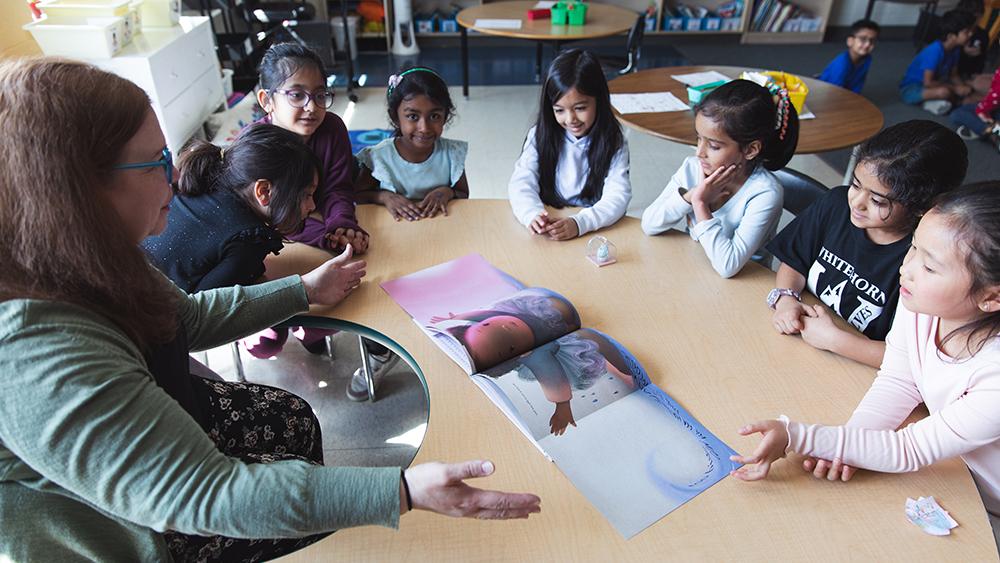
Educators make daily decisions that either reinforce or challenge dominant body “ideals.” When selecting books, videos and other learning materials, teachers can intentionally include body diverse representations and inclusive language. Students should be able to see themselves and others positively and respectfully reflected in classroom resources. When teaching health concepts, it is essential to separate weight from health. Discussions should focus on behaviours that support well being, such as adequate sleep, joyful movement, self regulation and mindful eating.
Some existing curricular approaches continue to emphasize “obesity prevention,” which can unintentionally communicate conflicting messages about health. In a 2022 NEDIC bulletin titled Body Image Dis/satisfaction within the School Context, author Anita Khakh suggests that such contradictions may contribute to confusion and body distress, particularly among young girls.
Embody BC (formerly Jessie’s Legacy), an organization in British Columbia that provides tools and resources to address disordered eating, body image, mental health, weight stigma and self-compassion for children and youth, shares other ways that educators can further support body positive environments:
- Avoid connections between food, physical activity and body size.
- Frame movement and activity as fun, social and accessible – not as a primary or necessary means of weight control.
- Talk about food in neutral, non-judging ways (e.g., avoiding “good” and “bad” labels in favour of “everyday” and “sometimes” foods).
- Avoid comments about dieting, weight or body shape, including personal or collegial remarks that students may overhear.
- Ensure classroom furniture and seating accommodate diverse bodies and offer flexible seating options where possible (e.g., standing tables, lap desks).
- Avoid the use of students’ physical characteristics (such as height, weight or visible body differences) for data collection or classroom activities.
- Teach critical thinking skills to help students analyze and question social media messages related to food, weight and appearance.
- Normalize the physical changes associated with growth and puberty, including natural increases in weight, body fat and appetite.
Moving Forward
Supporting positive body image in our classrooms is not about adding another program to an already full curriculum; it is about how we teach, speak and create learning environments every day. As educators, we already prioritize student well being, equity and inclusion; intentionally embedding body affirming practices is a natural extension of this work. Each interaction, instructional choice and classroom norm has the potential to either reinforce harmful messages about bodies or to disrupt them. By using inclusive language, selecting body-diverse resources, challenging weight-based assumptions and modelling respect for our own and others’ bodies, educators can create spaces where all students feel seen, valued and safe to learn.
This work does not require perfection. It requires reflection, curiosity and willingness to notice how deeply body-based messaging is embedded in school culture and resources accessed – and to challenge it gently but consistently. Small, intentional shifts in practice can have lasting impacts on students’ mental health, sense of belonging and relationship with their bodies.
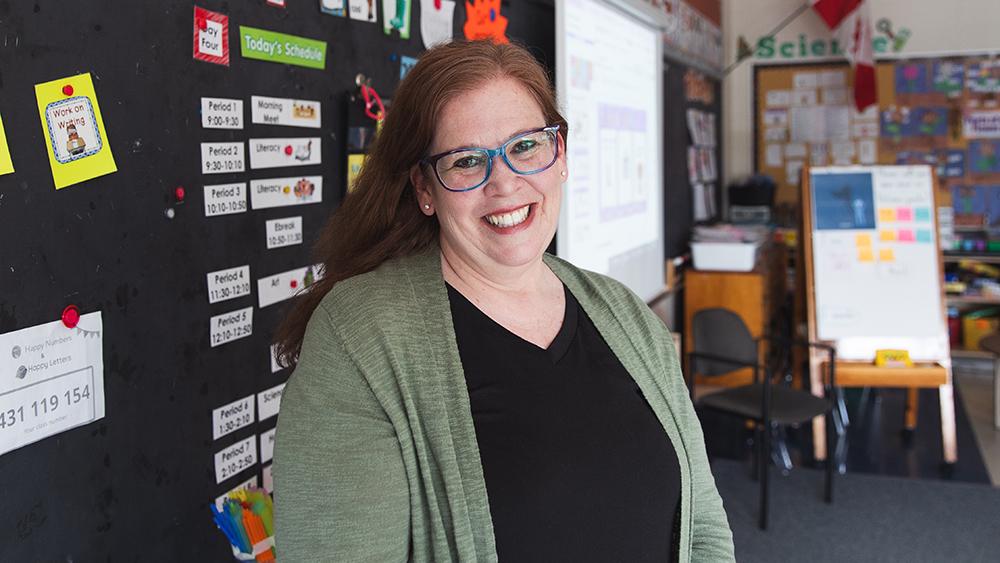
Heather Thompson is a member of the Peel Teacher Local.
See author-developed, positive-body-image curriculum at https://etfovoice.ca/curriculum.
To Go Further with Body Image Lessons and Ideas, Check Out These Sites:
DOVE Self-Esteem Project – amazingmeselfesteem.com
Media Smarts Digital Media Literacy: Body Image – mediasmarts.ca/digital-media-literacy/media-issues/body-image
NEDIC Beyond Images Curriculum – beyondimages.ca
OPHEA – ophea.net
Body Image Research Lab – werklund.ucalgary.ca/research/body-image-lab
Body Image curriculum resources: Lessons to Encourage Body Positivity