War-Affected Children
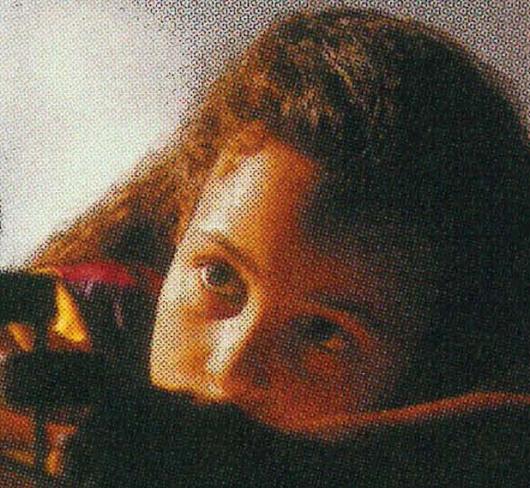
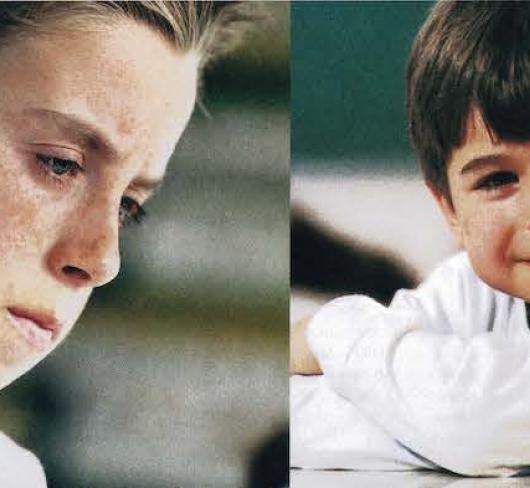
One need only see the hope in the eyes of one child going through the rehabilitation process... to see that there is no needjor the kind of despair that leads to giving up. We can always find a way to help.
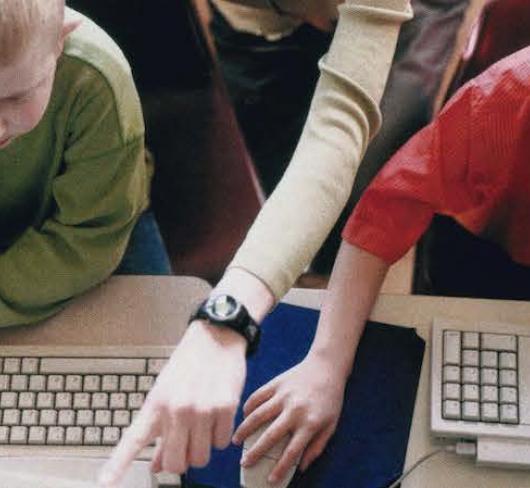
On October 24, 2001, MNet released a second phase of findings from Young Canadians in a Wired World: The Students' View, which examined the extent to which Canadian youth are putting themselves at risk as they explore the Internet, often with little or no supervision.
As our inquiry continued, we learned more about landmines and the people affected by them. The students committed themselves to becoming proactive by sharing their new knowledge with others in the community. Jyoti continued to be involved in our inquiry, providing resources such as videos, CDs, games, and fabric to make banners.
This article was adapted with permission from "An Aboriginal Educator's Perspective on Action Research as a Strategy for Facilitating Change in Aboriginal Education," by Memee Lavell, published in the Ontario Action Researcher, Volume 3, Issue 3, 2000. The full text of the article, including bibliography and references, can be found at www.nipissingu.ca/oar.
Thousands of elementary students and their teachers will be at Toronto's SkyDome on November 29 to attend Education Day - Aboriginal Teaching Circle.
From April 1 to Mav 12, 2002, ETFO's commercial “It is not too Lite to invest in public education" aired on television stations across the province. If you didn’t catch it, it's still placing at www.etfo.ca.
Anybody who works in an inner-city school has likely heard students mock one another by referring to others as “Ghetto.” They use this as a derogatory term that implies poor quality or of limited means. I wanted to challenge my combined grade 7 and 8 students’ perception of this word and push them to think deeply about the power of language.
Project Overseas is a joint endeavour by the Canadian Teachers' Federation (CTF) and its affiliates across Canada. The project is designed to give professional assistance to fellow teachers in developing countries. Project Overseas 1 operates during July and August.
Creative thinking is afundamental skill necessary for our survival on this planet. The performing folk arts in education can nurture this essential skill. At this point in time there has never been a more urgent need for an approach to education that prepares children to face the challenges of the twenty-first century.